
A Jewellery Collection based on the memory of a grand house and its secrets.
What sets Coleshill House (Oxfordshire), a 17th century example of classical architecture, apart from all the grand houses of Britain is that it vanished so suddenly (in 1952 a fire stroke) and yet it left behind a lasting impression.
“Suddenly a wave of heat swept over the spectators
A mushroom of yellow smoke rose skywards as the second floor caved in
Molten lead pouring from the roof like silver rain”
– from Swindon Evening Advertiser, 24th September 1952
Looking for clues about this forgotten house is like trying to assemble pieces of a puzzle, each one taking you in another intriguing direction.
My first discovery was walking through the old farm buildings transformed into storerooms for the architectural remains of the house: an exhibition (in its own right) of ‘a moment in time’.
Fragments of plaster from the grand ceilings, depicting garlands of flowers, foliage and fruits were a reminder that the Art and Craft Movement has a major connection to this area, with William Morris’s Kelmscott Manor near by. Coleshill House inspired many artists and crafters along the centuries it stood there in the middle of nowhere.
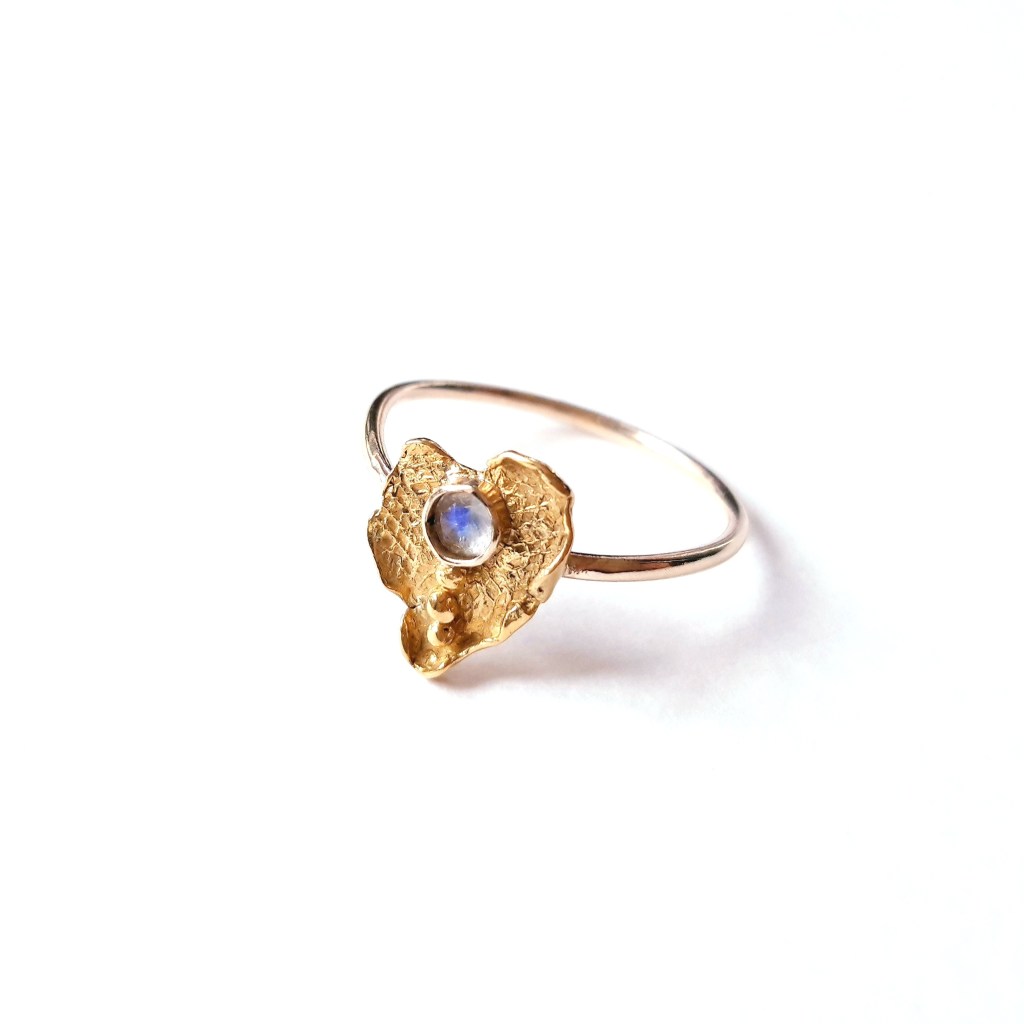
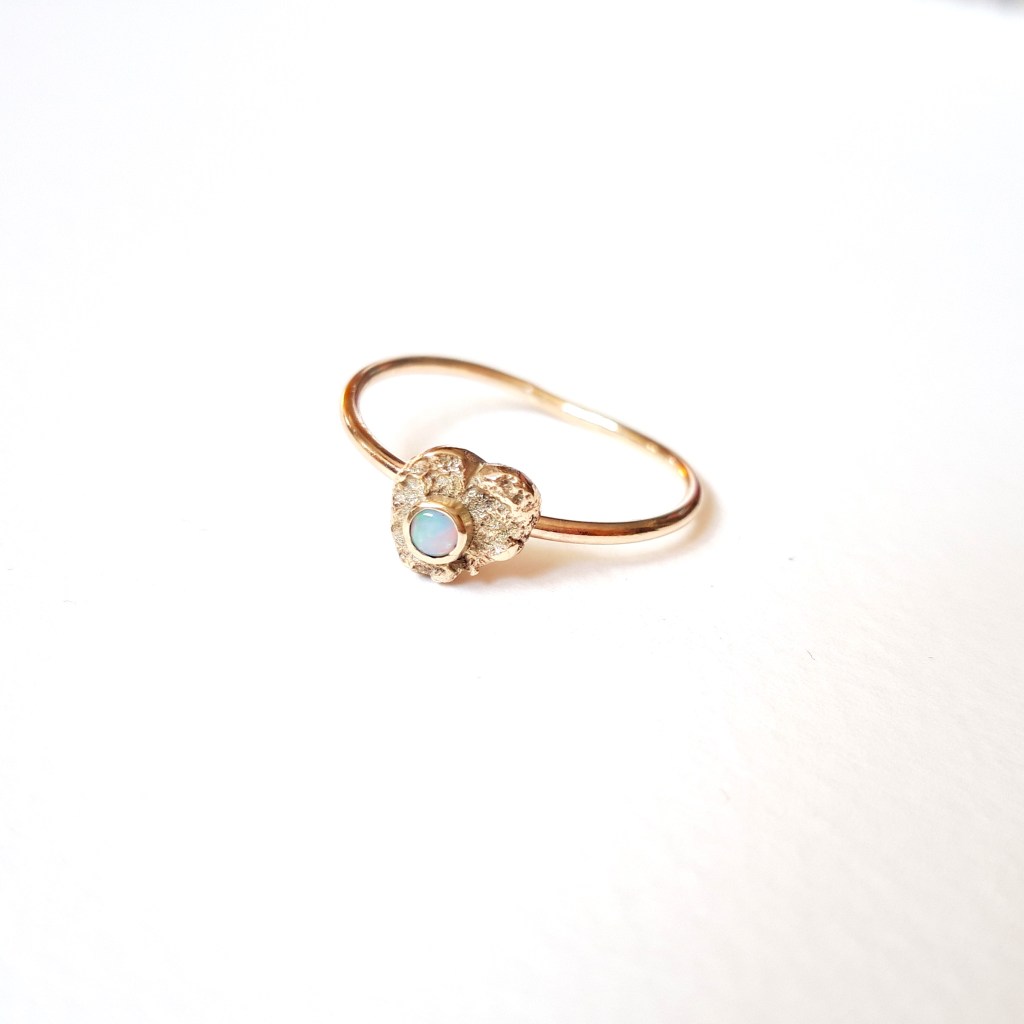
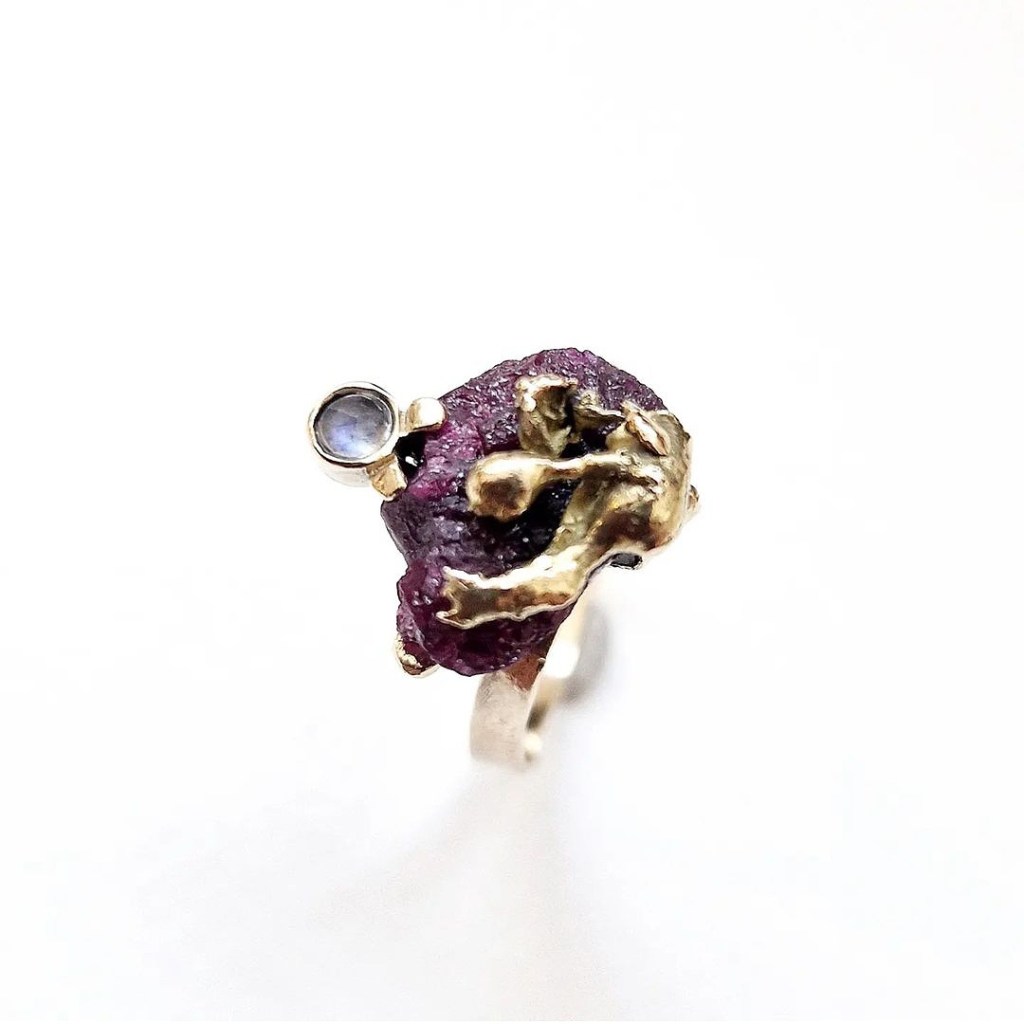
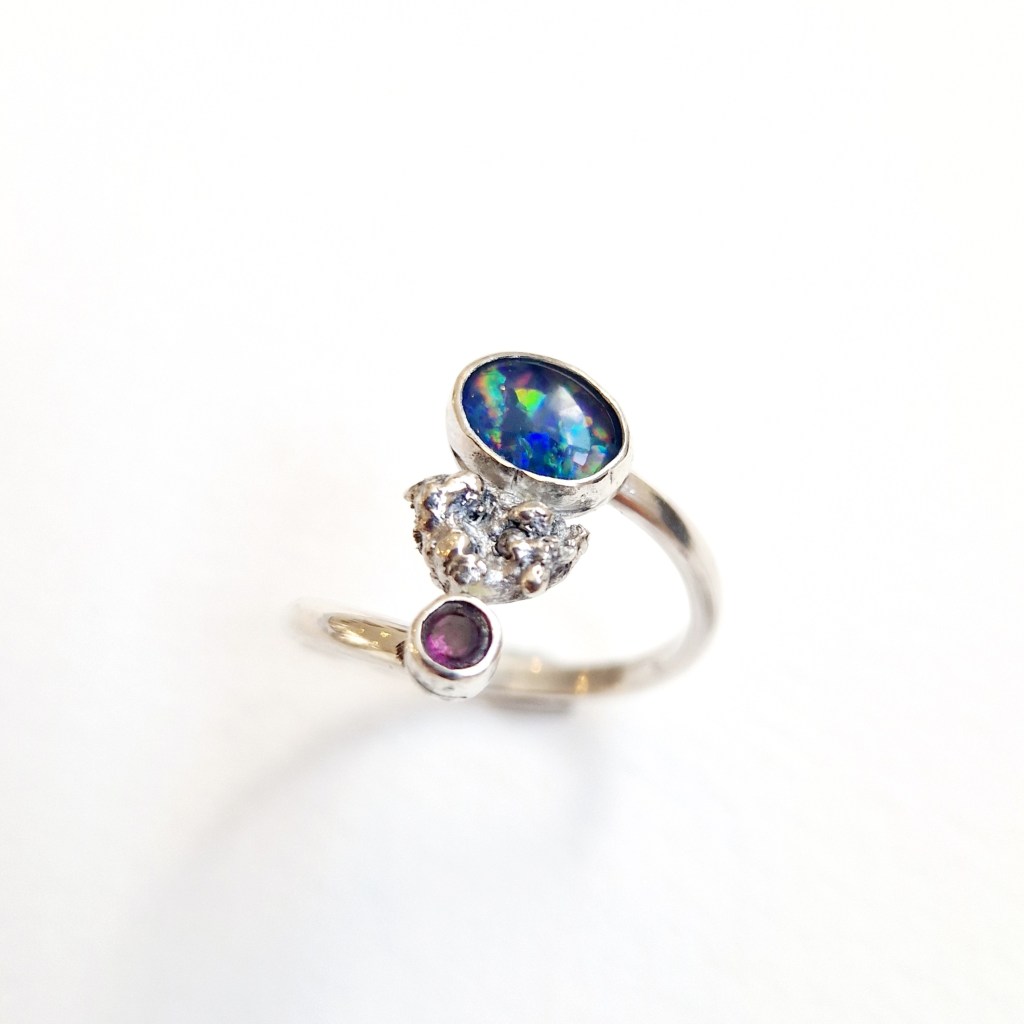
There lay the first step into my inspiration for my ‘Melt Me’ Jewellery Collection: burnt fragments so distorted and discoloured that they look like ancient finds from an archaeological dig. Like an alchemist, I watched the metal slowly changing colour and texture as the heat rises, until it becomes as bright as fire and as malleable as clay. I imagined these pieces of melted items amongst the flowers of the Coleshill gardens: long-lost treasures reborn.
“Young flowers opened suddenly along the river sides,
as stars leap out when twilight is deepening,
and thickets of myrtle, and tendrils of vine,
cast lengthening shadows over the valley as they grew.
And thus the Treasure Valley became a garden again,
and the inheritance, which had been lost by cruelty,
was regained by love.”
– John Ruskin
I decided to revisit the remnants of the architectural features of the house: are we in an English countryside grand house, a palace in the jungle or a dream-like castle cloud drawing in the sky of what once was?
With the 365 windows (!), elaborated staircases, geometrical ceilings decorations, rotunda roof, dissolving within the natural world, I created:
‘Coleshill Re-imagined’ Jewellery Collection, an imaginary surrealistic house where windows half melted open onto the sky, where birds become masters of the house, climbing plants taking over the structure and shape of the building.
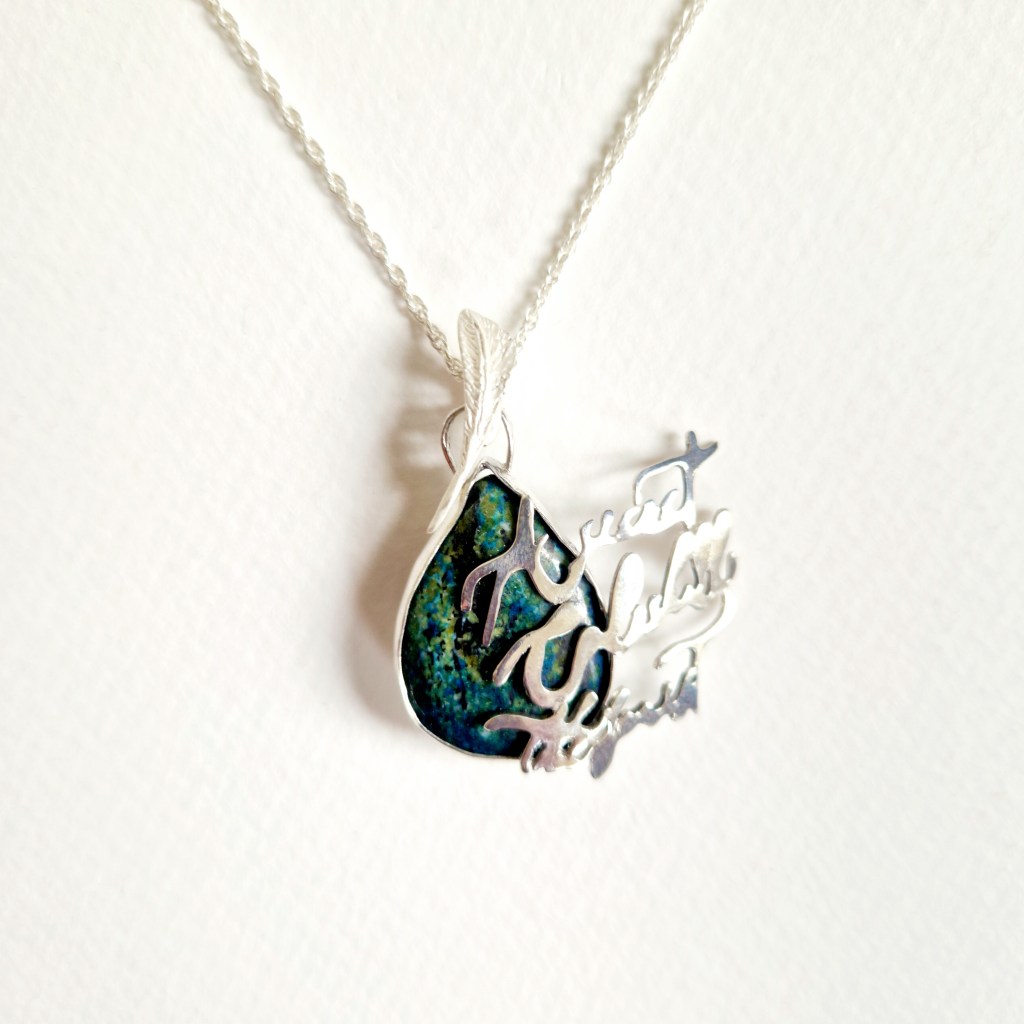
Another incredible discovery was that, during the Second World War, Coleshill House became the underground headquarters of Winston Churchill’s secret resistance organisation (The Auxiliary Units: men trained to fightback if Germany invaded Great Britain). I was so moved by the fact that they had the courage to sacrifice their lives and that they were sworn to secrecy, leading double lives revealed not even to their closest family. That inspired me to create a ‘wearable poem’ necklace based on a poem I wrote to remember them by and perhaps, to ask ourselves whether we would have the courage to do the same. It is also a plea for Peace.
‘ACT’
A secret hidden in the forest
A whisper coming from Coleshill
A journey untold to save us
I left my heart behind
Silence is where I meet you

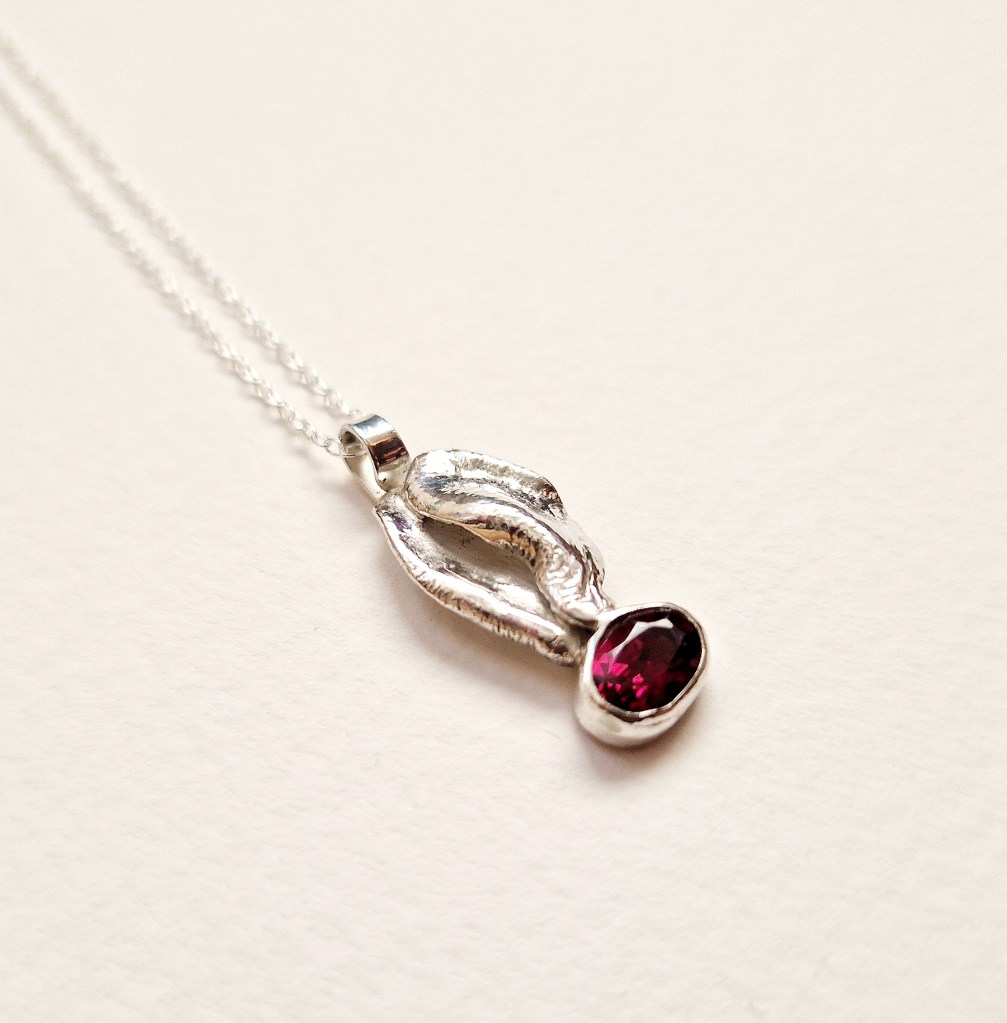
From the words of the poem that resonated in me, I had to create ‘I left my heart behind’ jewels. This brought me back to the fragments left from the burnt house (what is left when we have to leave everything behind?). I transformed recycled gold and silver into human hearts, adding stones as symbols of the soul.
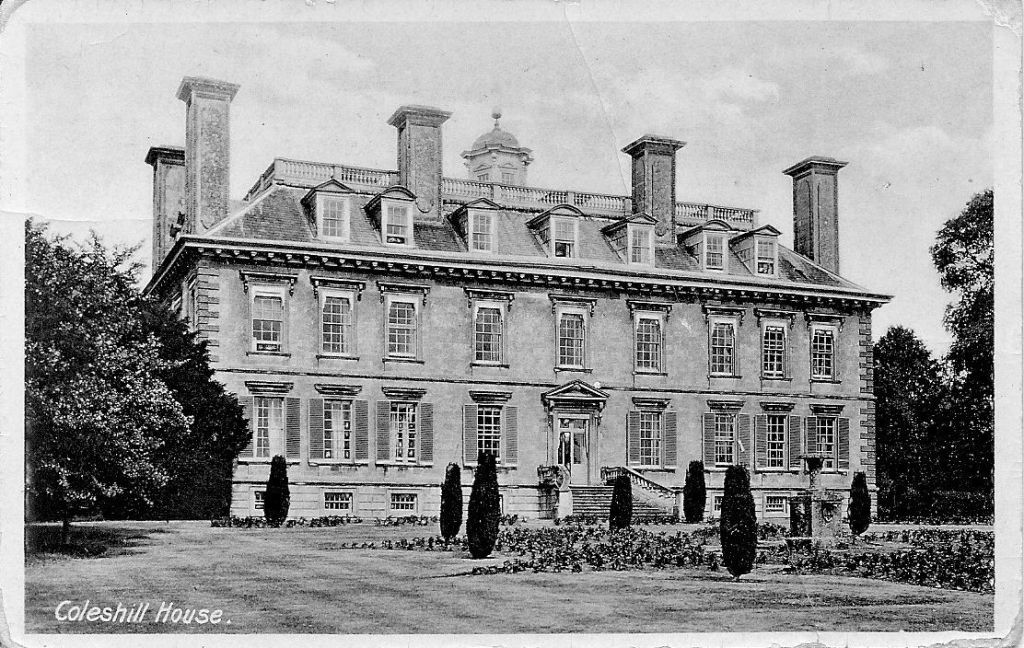
Here is a selection of my interpretation of ‘Vanished belvedere cupola’, ‘Molten furniture’, ‘liquified lead features’, ‘Crumbled grand windows, ‘Dissolved lavish plaster ceilings’, ‘Evaporated flower beds’, ‘Hidden secrets’ and ‘Melted hearts’ …







| Silent Noon BY DANTE GABRIEL ROSSETTI “Your hands lie open in the long fresh grass,— The finger-points look through like rosy blooms: Your eyes smile peace. The pasture gleams and glooms ‘Neath billowing skies that scatter and amass. All round our nest, far as the eye can pass, Are golden kingcup fields with silver edge Where the cow-parsley skirts the hawthorn-hedge. ‘Tis visible silence, still as the hour-glass. Deep in the sun-searched growths the dragon-fly Hangs like a blue thread loosened from the sky:— So this wing’d hour is dropt to us from above. Oh! clasp we to our hearts, for deathless dower, This close-companioned inarticulate hour When twofold silence was the song of love.” |
 Cloelea Jewellery